
A Technical Roadmap: How AI Will Help Rebuild Gaza
Reconstruction in the Gaza Strip faces challenges unprecedented in modern history, both in the scale of destruction and the scarcity of raw materials. This is where artificial intelligence (AI) comes in, not as a supporting tool but as a co
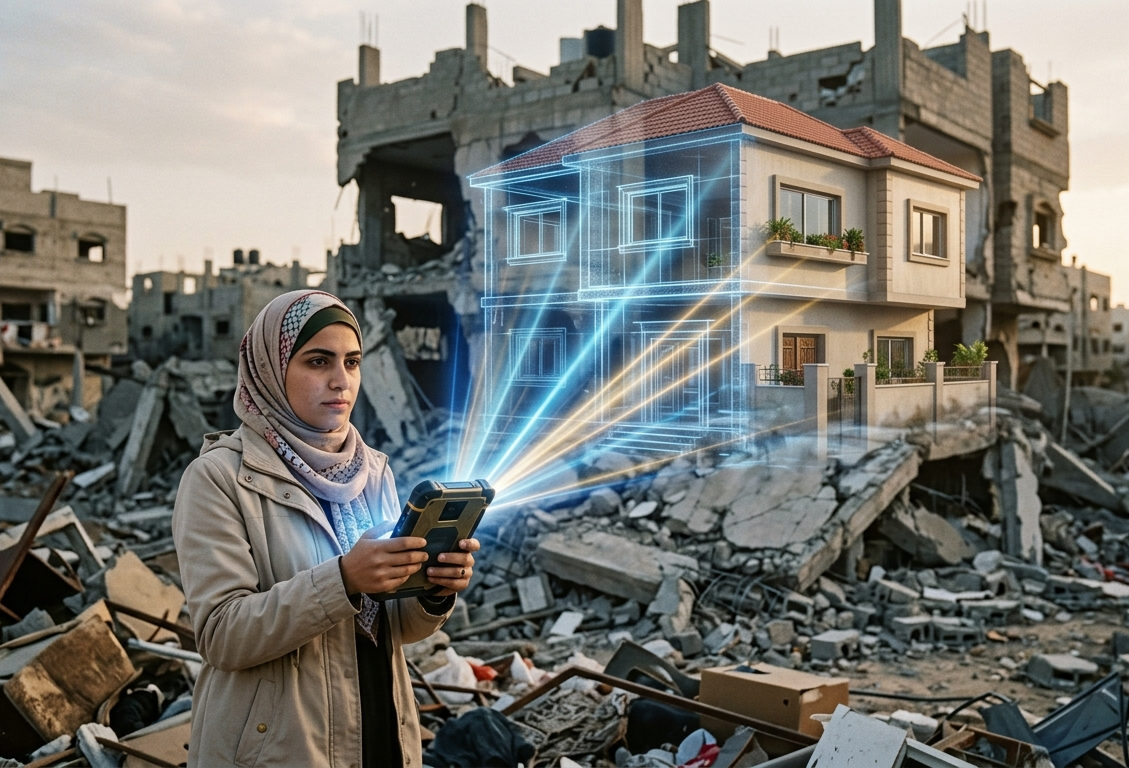
Reconstruction in the Gaza Strip faces challenges unprecedented in modern history, both in the scale of destruction and the scarcity of raw materials. This is where artificial intelligence (AI) comes in, not as a supporting tool but as a core engine that turns reconstruction from a slow, traditional process into a smart, much faster one.
1. Smart Damage Assessment and Advanced Geographic Surveying
Instead of relying on manual field surveys that could take years, computer vision algorithms can analyze satellite images and drone footage. This makes it possible to classify damage automatically (total, partial, severe) and build 3D maps of the rubble, helping engineers estimate the concrete and steel needed with great precision before any work starts on the ground.
2. Automating Resource and Supply-Chain Management
In an environment of closed crossings and scarce materials, predictive AI can manage "crisis logistics". Advanced algorithms can forecast future needs for cement and fuel and distribute them by priority (hospitals, schools, then housing), preventing materials from piling up in some sites while others stall, and making sure every bag of cement reaches the right place without waste.
3. Materials Engineering and Rubble Recycling
One revolutionary idea is using machine learning to develop concrete mixes based on recycled rubble from the destruction. AI can analyze the properties of the available debris and suggest ideal chemical ratios to turn it back into usable building material, reducing reliance on imports and speeding up work from inside the Strip.
4. Automation in Cost-Efficient Architectural Design
With generative design, engineers can enter specific constraints (such as available space, a low budget and natural light) and let AI produce hundreds of floor plans that get the most out of the fewest resources. This makes it possible to build dignified, sustainable, low-cost homes in record time.
Conclusion: From Rubble to Smart Cities
At Salvation, we believe that putting these technologies to work will make Gaza a global model of technological resilience. Using AI in reconstruction means fewer mistakes, lower costs, and life returning faster to our devastated streets.